WBEZ COLLABORATION
Profiled: The State of Traffic Stops in Illinois
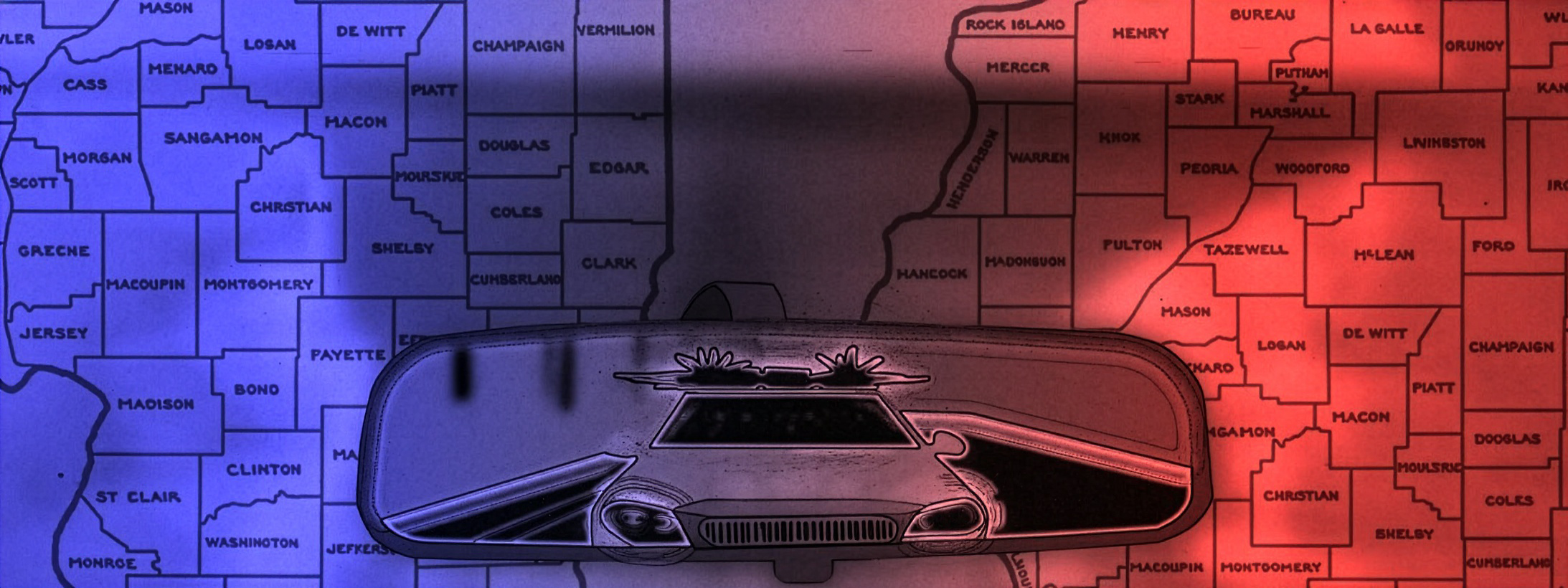
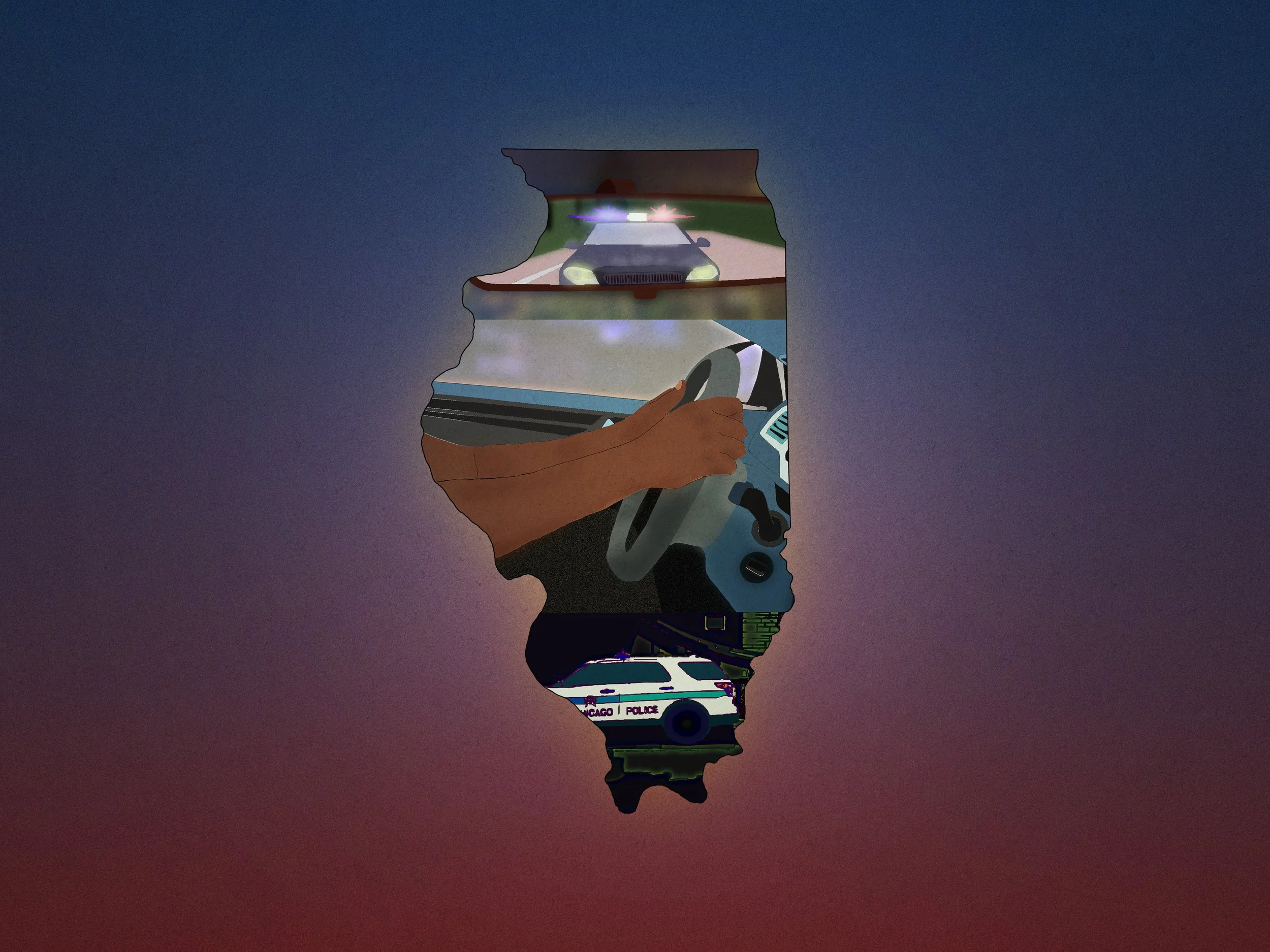
Illustration courtesy of WBEZ Chicago
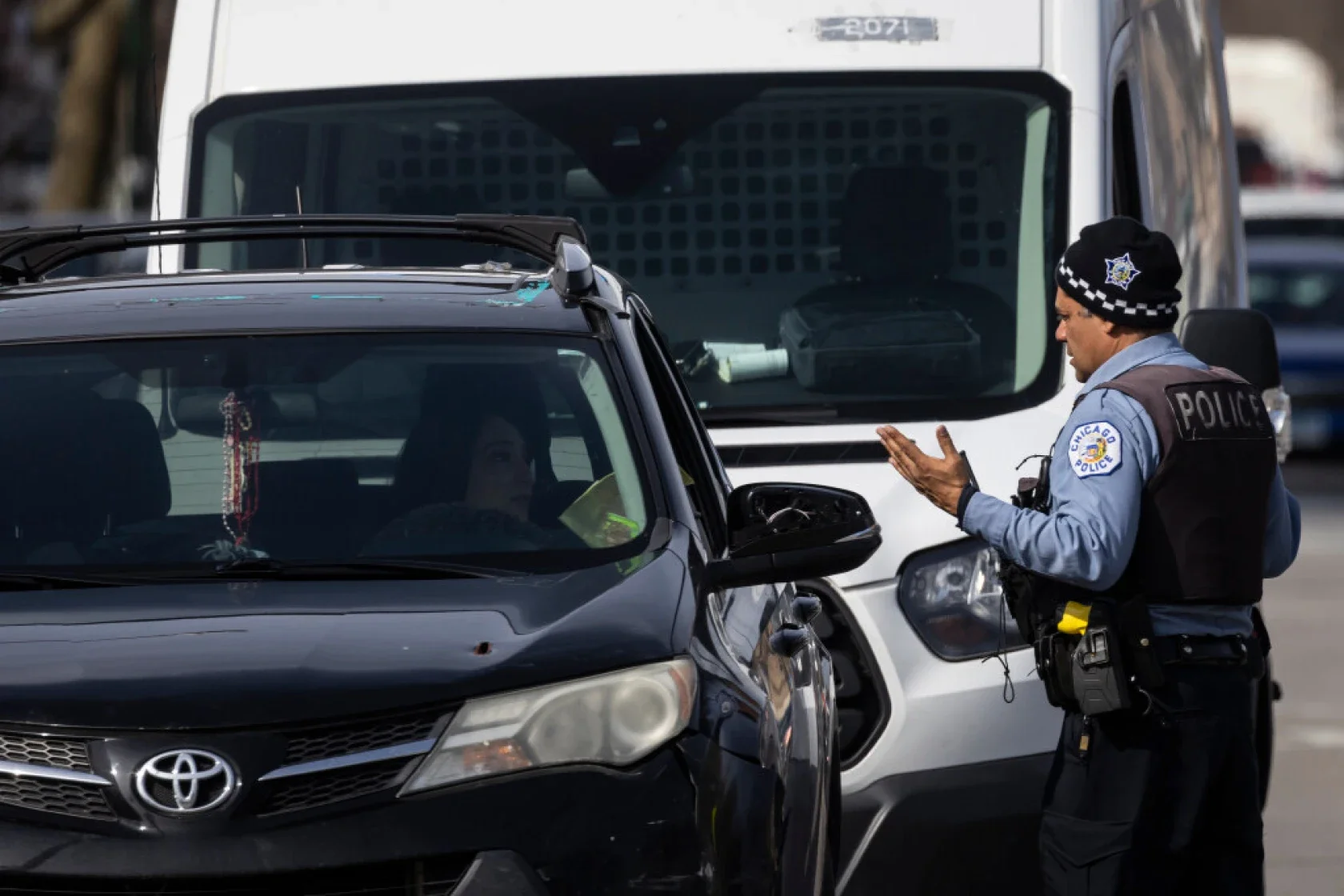
For more than two decades, Illinois has required police to record details about every traffic stop throughout the state — including the race of the driver, the reason for the stop and the outcome. Investigative Project on Race and Equity, in partnership with WBEZ Chicago has compiled tens of millions of records and found that racial disparities are widening, police compliance is falling, and the state has done little to reverse the trend.
Campus police ticketed Black drivers more often than white motorists who were stopped, according to a first-of-its-kind analysis done by the Investigative Project in collaboration with WBEZ and the Chicago Sun-Times.
That’s happened as a result of the use of force by cops, an investigation by the Chicago Sun-Times and the Investigative Project on Race and Equity found.
Officers reported using force far more often during traffic stops last year — even as scrutiny grew following the fatal shooting of Dexter Reed, the Chicago Sun-Times and the Investigative Project on Race and Equity have found.
West Side residents near where police killed Dexter Reed share details of their trauma from that incident and their own traffic stops.
State oversight is lax and police game the system – but racial disparities in traffic stops are clearly on the rise
This is the second installment of a series, “Profiled: The State of Traffic Stops in Illinois,” published in partnership with WBEZ Chicago.
This is the first installment of a series, “Profiled: The State of Traffic Stops in Illinois,” published in partnership with WBEZ Chicago.